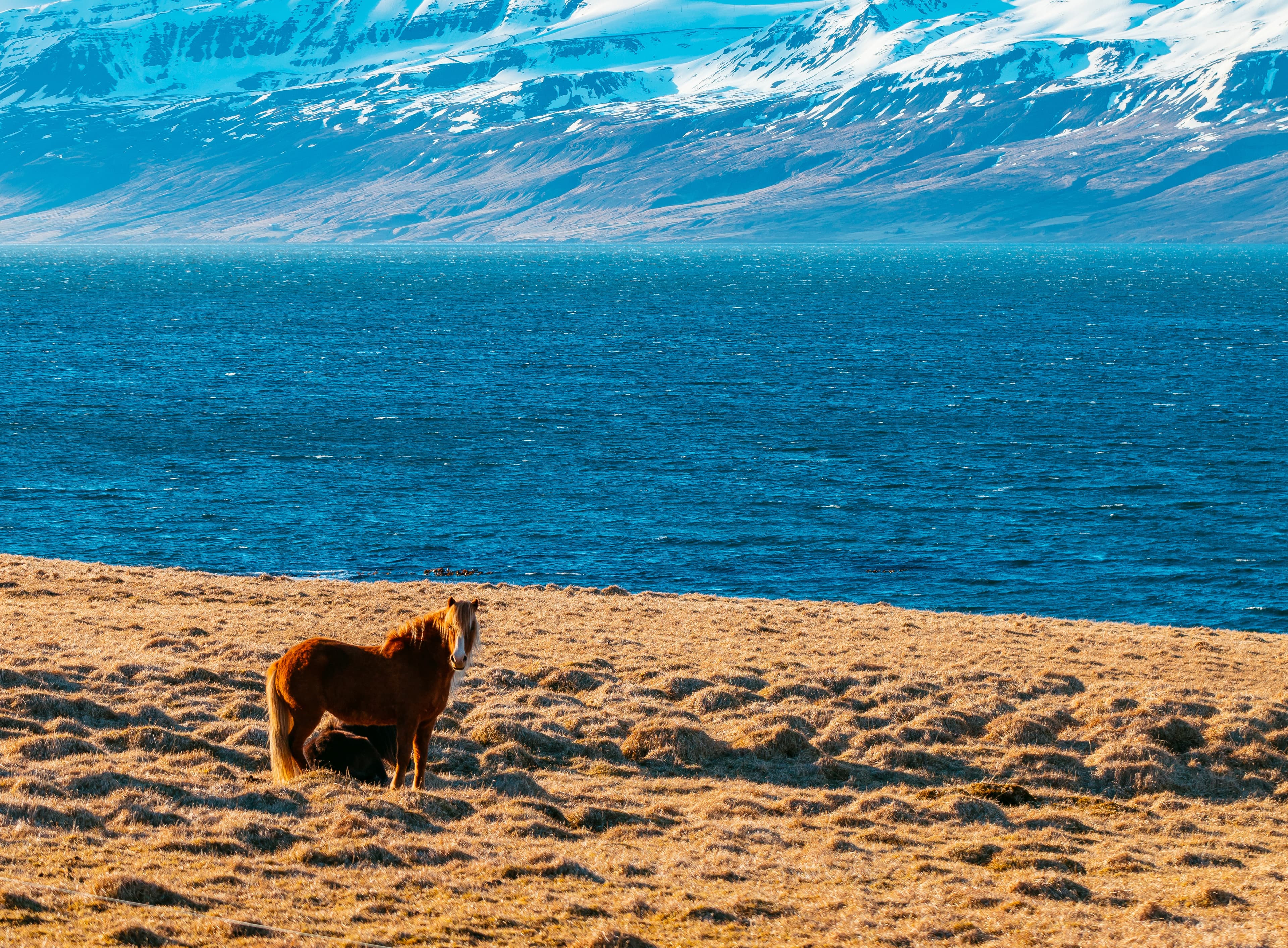
Mongolia is one of the world's last truly open destinations — a land of endless steppe, dramatic deserts, high mountains, clear lakes, and living nomadic culture.
Located between Russia and China, Mongolia covers more than 1.5 million square kilometres, yet remains one of the least densely populated countries in the world. For travellers, this means space, silence, freedom, and a rare chance to experience nature and culture in their purest form.
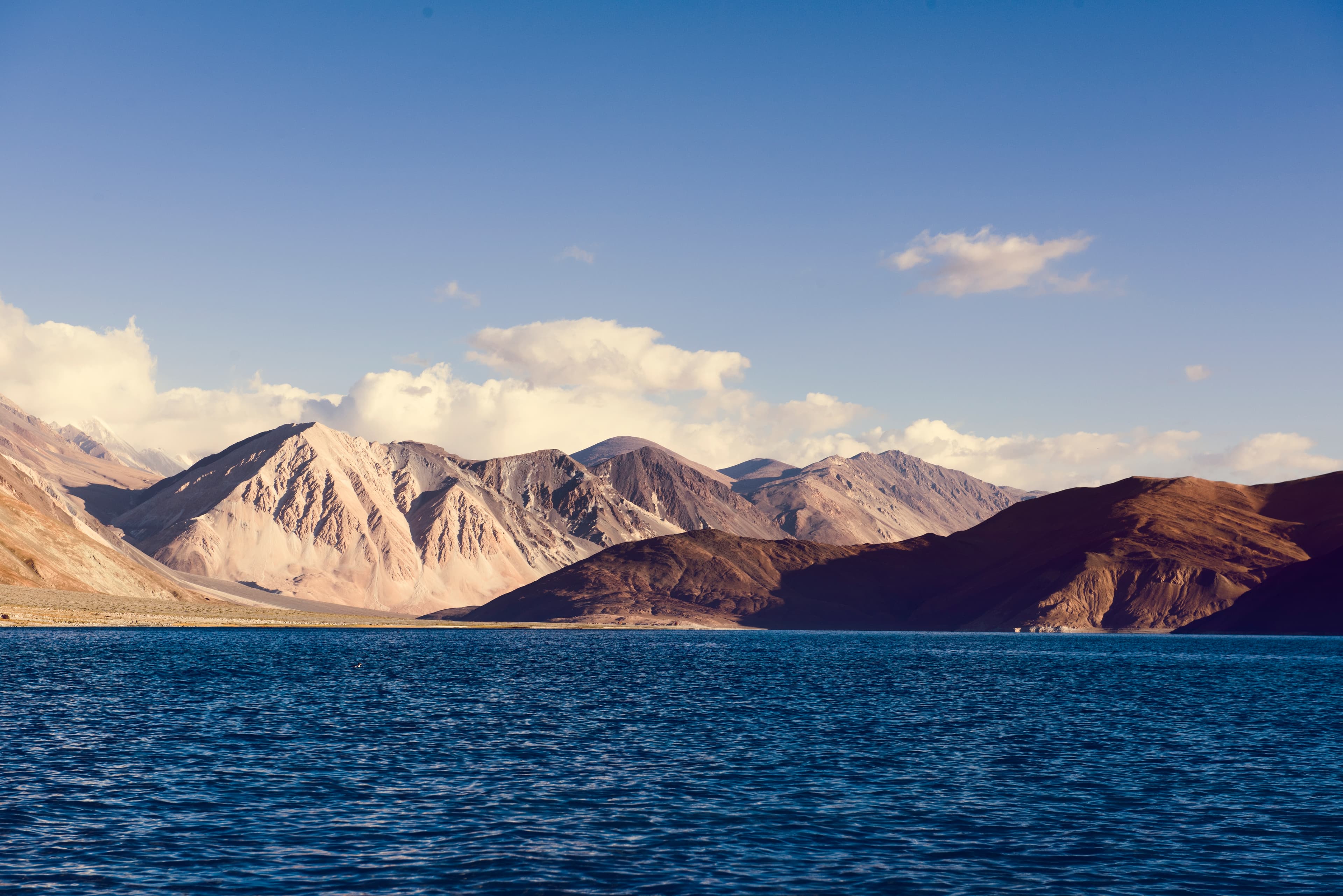
Why Visit Mongolia
Mongolia offers a kind of travel that feels personal, spacious, and deeply authentic. Instead of crowded tourist routes, travellers find open horizons, warm local hospitality, and journeys that move at the rhythm of the land.
From horseback riding across the steppe and exploring the Gobi Desert to meeting nomadic families, joining Naadam celebrations, and sleeping beneath some of the clearest night skies on earth, Mongolia creates memories that stay with you long after the journey ends.
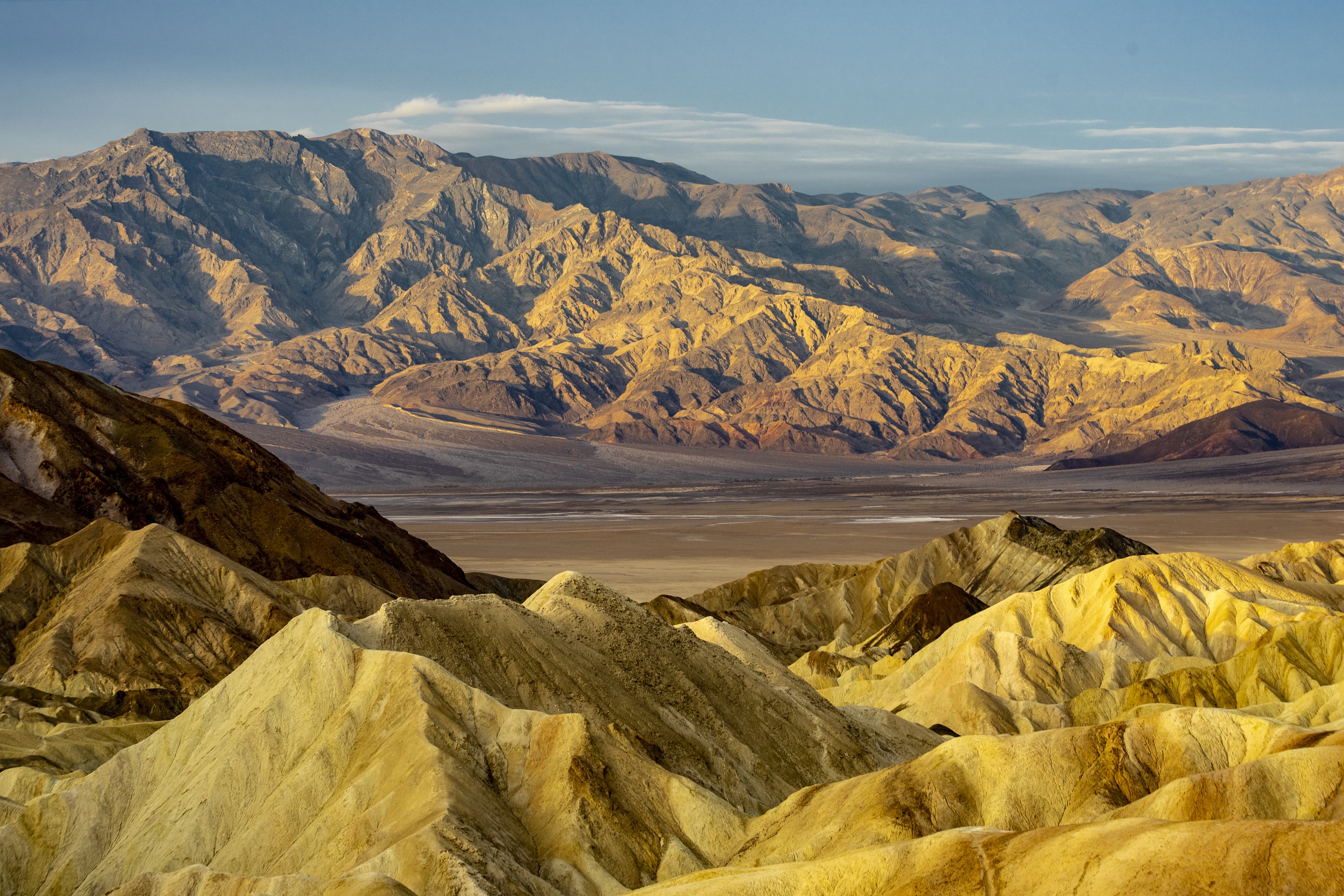
Nature & Landscapes
Mongolia's landscapes are incredibly diverse. The central steppe stretches into wide grasslands and river valleys, the south opens into the vast Gobi Desert, the north is home to forests and Lake Huvsgul, and the west rises into the snow-capped Altai Mountains.
This natural variety makes Mongolia ideal for photographers, hikers, riders, and adventure travellers. Wide skies, clean air, remote roads, wild animals, and dark night skies create a powerful feeling of distance from modern life.
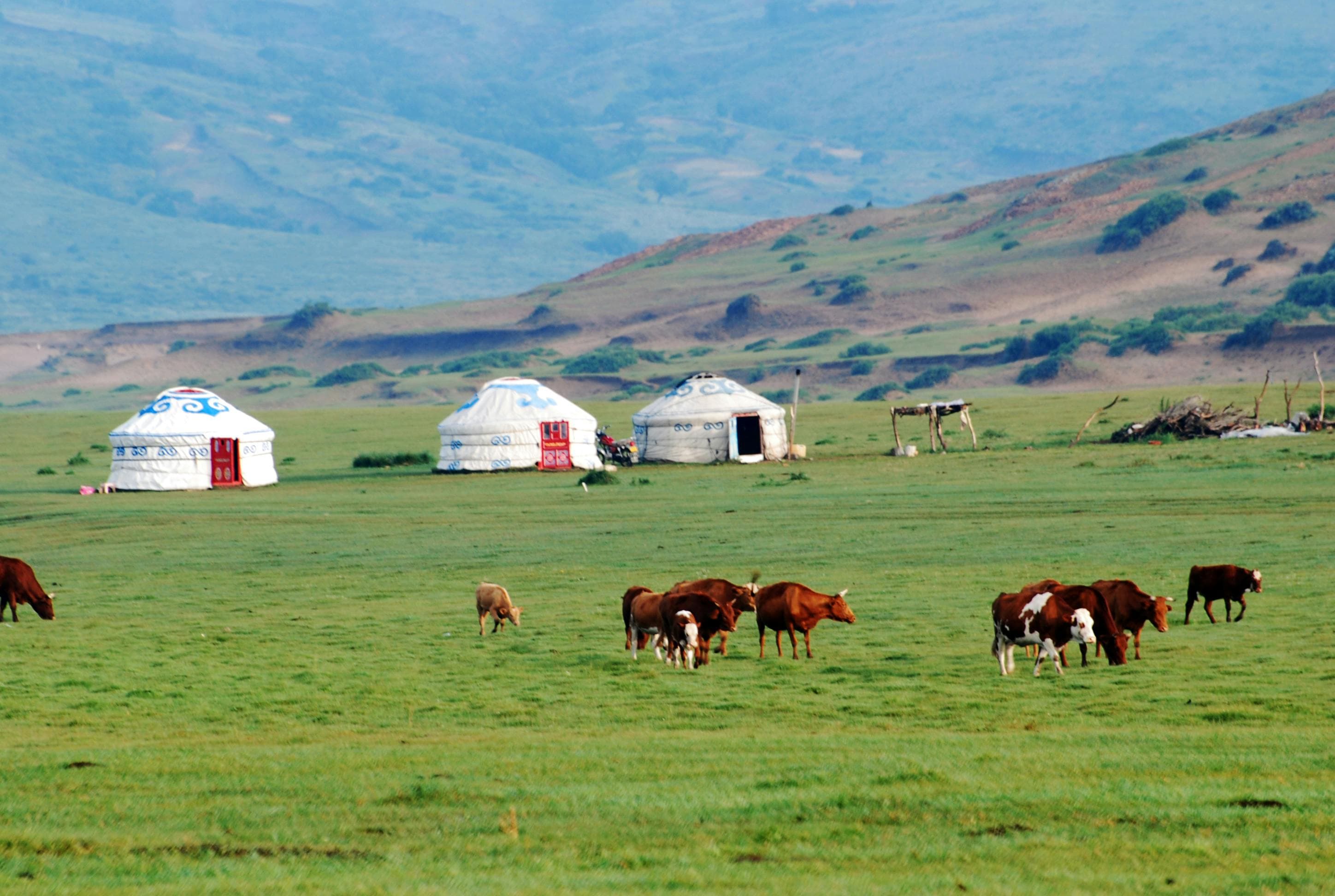
Nomadic Culture
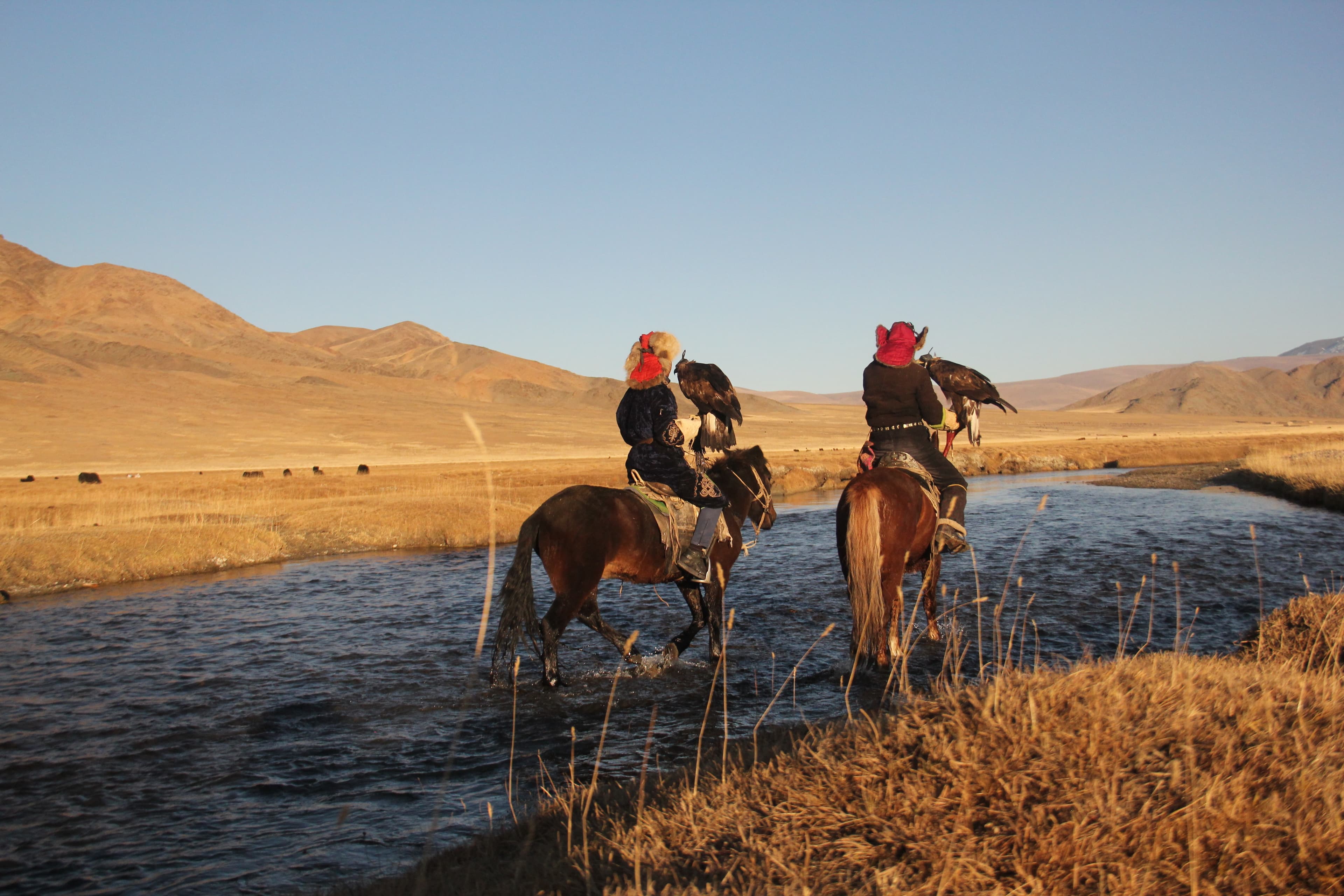
Nomadic life remains at the heart of Mongolia. Across the countryside, herder families continue to move with their animals through the seasons, living in traditional gers and maintaining customs passed down through generations.
For visitors, meeting a nomadic family is often one of the most meaningful parts of the journey. Sharing milk tea, tasting local dairy products, learning about daily herding life, and experiencing genuine hospitality offers a close connection to Mongolia's living culture.
History & Heritage
Mongolia is known worldwide as the homeland of Chinggis Khaan and the Mongol Empire, one of the most influential empires in world history. Ancient capitals, sacred mountains, stone monuments, and historic sites across the country reveal this powerful legacy.
Mongolia also has a deep spiritual and artistic heritage shaped by Buddhism, shamanic traditions, and nomadic beliefs. Places such as Karakorum, Erdene Zuu Monastery, Amarbayasgalant Monastery, and the Orkhon Valley connect travellers with centuries of history and culture.
Best Time to Travel
The main travel season in Mongolia is from June to September. Summer brings green landscapes, warmer weather, long daylight hours, and the Naadam Festival in July, making it the best time for first-time visitors, family travel, horse trekking, and classic overland journeys.
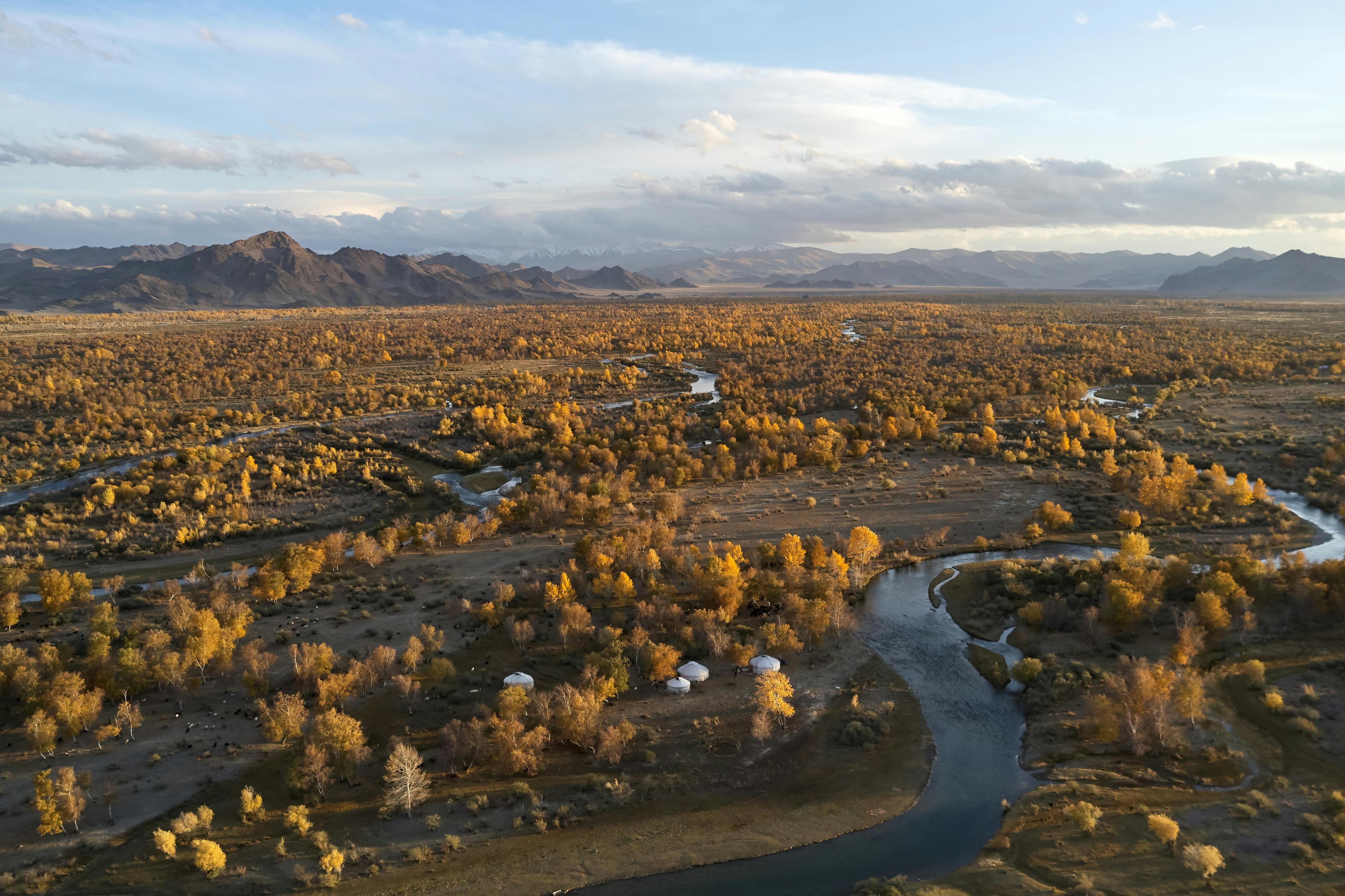
September and early October are ideal for golden landscapes, photography, cooler weather, and fewer travellers. Spring offers a quieter look at rural life as animals give birth and families prepare for the warmer season. Winter is cold but rewarding for travellers seeking snow-covered landscapes, eagle hunting culture, festivals, and a more adventurous side of Mongolia.